Biohazard Cleanup for Property Owners: When Professional Cleanup Is the Safer Choice
Property owners tend to be practical people. A pipe leaks, you dry it. A tenant moves out and leaves a mess, you haul it out. A storm rolls through, you tarp the roof and start calling contractors. That mindset works for a lot of maintenance problems.
Biohazard cleanup is different.
The trouble is not just what you can see on the floor, wall, carpet, or furniture. It is what may have soaked in, what may still be active, what may be circulating in the air system, and what can spread when cleanup starts the wrong way. Once bodily fluids, contaminated porous materials, smoke residue, floodwater, or mold get involved, the job shifts from basic cleaning to controlled remediation. At that point, professional help is often the safer choice for the building, the people in it, and the long-term value of the property.
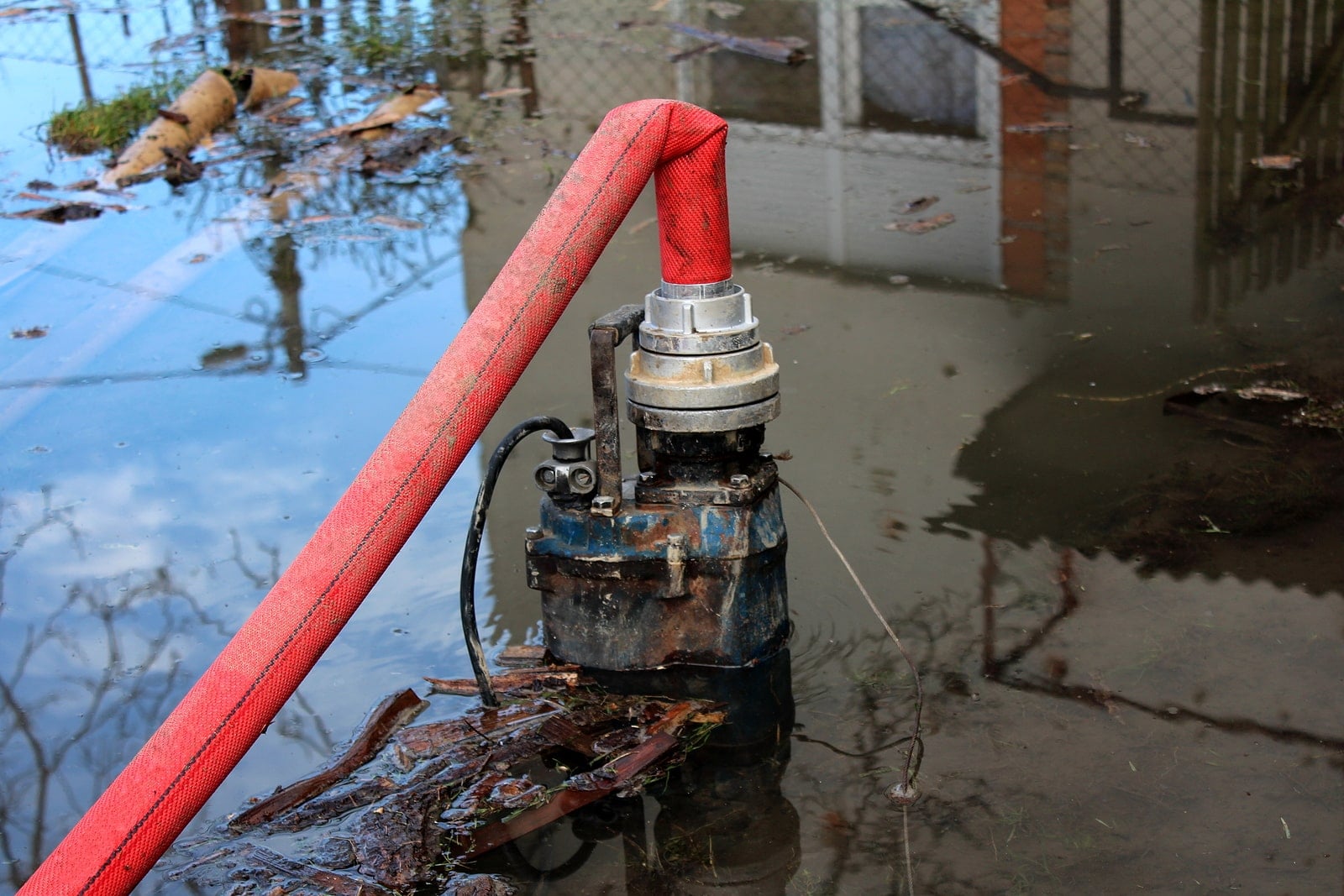
That matters anywhere, but it matters even more in Central Florida. Heat and humidity shorten the timeline for safe action. Florida health guidance ties mold directly to moisture and notes that standing water for even 24 hours can allow common molds to take hold. In a region where afternoon storms can dump heavy rain and where air conditioning systems run hard for much of the year, delays get expensive fast.
The line between a mess and a hazard
Most owners know when something looks bad. Fewer know when it has crossed into a condition that should not be handled with a mop, shop vacuum, or household disinfectant.
A true biohazard cleanup problem usually involves contamination that can soak into materials, spread through handling, or leave behind residues that affect indoor conditions after the visible mess is gone. The surface might look clean and still be unsafe. Carpet pad, subfloor, drywall paper, insulation, baseboards, and contents can trap contamination in places ordinary cleaning never reaches.
This is one reason professional crews approach the work differently from janitorial cleaning. The goal is not to make the room look better. The goal is to remove contaminated material when needed, clean and treat salvageable surfaces properly, and prevent cross-contamination into unaffected parts of the property.
Owners sometimes underestimate this because the first hour of cleanup can seem straightforward. Then the odor lingers, staining reappears, or moisture that seemed minor turns into mold a few days later. That is when a low-cost cleanup turns into a more involved restoration project.
Why timing matters more in Florida
Moisture changes the equation. Florida health guidance is clear that mold is strongly linked to moisture, and indoor humidity should be kept below 60 percent. Once water intrusion sits, especially in warm indoor conditions, microbial growth can move in quickly. That is why water damage restoration Central Florida jobs often need an urgent response even when the original incident looks contained.
After storms, the priority is not cosmetic cleanup. Drying the property and removing water-damaged items is the important step for preventing mold damage. That applies after obvious flooding, but it also applies after roof leaks, overflow events, appliance failures, and hidden moisture behind walls.
This is where property owners get caught. They may focus on the visible cleanup first, throw away some damaged items, wipe hard surfaces, and open a few windows. Meanwhile, wall cavities stay damp, insulation holds moisture, or the HVAC system pulls contaminated air through the house or building.
Florida health guidance also notes that if a central HVAC system needs a dehumidifier just to get the indoor humidity below 60 percent, the air conditioning system should be examined for problems. In practical terms, when a building never seems to dry out, the issue may not be the room you are standing in. It may be in the system serving the whole property.
Situations where professional cleanup is usually the better call
Property owners do not need a contractor for every stain or spill. But some scenarios should trigger a pause before anyone starts scrubbing.
- There is standing water, soaked drywall, wet insulation, or visible mold growth after a leak, flood, or storm.
- Contamination involves bodily fluids or materials that have soaked into porous finishes like carpet, padding, upholstery, or unfinished wood.
- Smoke, soot, or persistent odor remains after a fire event, even a small one.
- The HVAC system may be affected by water, smoke, or mold.
- The building may contain older materials that could be disturbed during demolition, including suspected asbestos-containing materials.
That last point is easy to miss. Owners may start opening walls or pulling old flooring as part of cleanup and create a new hazard in the process. EPA guidance says asbestos may be found in older homes and buildings, and renovation or damage to materials such as floor tile, ceiling tile, pipe wrap, siding, or shingles can disturb it. If suspected asbestos is damaged, or if planned work could disturb it, a properly trained and accredited asbestos professional is the safer route.
That has local relevance for owners searching for asbestos abatement Groveland FL or elsewhere in the area. Florida’s asbestos program in the Central District covers counties including Lake, Orange, Seminole, and Osceola, and its purpose is to minimize the release of asbestos fibers during abatement, remediation, handling, and disposal. In plain language, if an older property has damaged suspect materials, cleanup is not the moment to guess.
Biohazard cleanup often overlaps with other restoration work
One of the biggest mistakes I see in how owners think about contamination is treating each issue as isolated. The cleanup gets framed as one thing, the odor as another, the mold as another, and the repairs as something for later. Real-world projects rarely behave that neatly.
A sewage-related overflow can become a biohazard cleanup job, a water extraction job, a tear-out job, and then a mold remediation Lake County style moisture-control project if drying lags. A kitchen fire may seem like a smoke cleanup issue, but smoke particles can affect cabinets, insulation, contents, and the air handler. Storm damage restoration Florida work can begin with roof or window failures and end with structural drying, odor elimination, and HVAC inspection.
That overlap matters because each stage affects the next. If contaminated porous material stays too long, odor and microbial growth become harder to control. If smoke-damaged residue is wiped incorrectly, it can smear deeper into surfaces. If wet building materials are closed back up before drying is complete, the repair can trap a moisture problem inside the assembly.
Professional crews are useful not because they own fancy equipment alone, but because they sequence the work correctly. They know when removal is necessary, when drying should happen before rebuilding, and when one trade should wait for another.
The HVAC question is bigger than most owners think
A lot of indoor contamination problems get worse because the heating and cooling system keeps moving air through affected spaces. Florida guidance specifically notes that if HVAC may be contaminated with mold, homeowners should consult EPA guidance before taking further action. That caution is sensible. Once contamination reaches the system, a simple room cleanup may not address what is being circulated.
HVAC mold can be especially frustrating because it blurs the line between a building issue and a mechanical issue. The owner may notice a musty smell, rising humidity, or repeated mold return near vents and assume the room was not cleaned thoroughly enough. Sometimes the deeper problem is that moisture control has not been solved, or the system itself needs examination.
The IICRC publishes standards relevant to this kind of work, including S590 for HVAC assessment after water, fire, or mold damage. That does not mean every property owner needs to memorize standards documents. It means there are established professional frameworks for handling these situations, and they exist for a reason. When the air system may be part of the problem, guesswork gets expensive.

Fire, smoke, and the myth of the “small” incident
Owners often reserve professional fire damage restoration for major structure fires. Yet smaller incidents can cause outsized cleanup problems. A contained kitchen fire, a utility room event, or a localized smoke incident can leave residues and odor well beyond the original source.
Soot is not just black dust. Smoke residue can settle into porous and semi-porous materials, and odor elimination becomes difficult if the source remains embedded in contents or building materials. Owners who try to wash everything with general household products often discover that some odors grow more noticeable once humidity rises again.
The IICRC standard for fire and smoke damage restoration exists because this category of loss has its own methods and judgment calls. Some contents can be cleaned. Some cannot. Some surfaces need detailed restoration steps. Others need removal. If there is any uncertainty about what heat, smoke, or suppression water reached, a professional evaluation is usually worth the cost.
Storms change the rules
Florida owners are used to storm season, but familiarity can make risks look ordinary. The problem after wind-driven rain or flooding is not only the immediate damage. It is the chain reaction that follows.
A room can look mostly dry and still hide moisture in wall cavities. A soaked threshold can wick moisture into adjacent flooring. Water that enters around windows or roof penetrations can travel farther than owners expect. Once that happens, storm damage restoration Florida work becomes a race against time, not just a repair project.
CDC disaster guidance emphasizes safe cleanup after storms, floodwater, and mold exposure. That aligns with the practical reality on the ground. The sooner wet materials are addressed, the better the odds of avoiding larger mold and odor problems. The longer an owner waits, the more likely the claim, repair scope, and occupant disruption all grow.
This is why 24/7 emergency restoration services exist. Not because every loss is catastrophic, but because some decisions cannot wait for regular business hours. Water extraction, temporary stabilization, and rapid drying efforts are often the difference between a focused repair and a multi-room remediation.
What “professional” should actually mean
Not every company advertising cleanup and restoration works to the same level. Owners should care less about slogans and more about process, training, and judgment.
IICRC-certified remediation is one useful phrase to understand. The IICRC publishes standards tied to water damage restoration, mold remediation, HVAC assessment after water, fire, or mold damage, and fire and smoke restoration. A company that is familiar with these standards is working from an established body of practice rather than improvising from one job to the next.
That matters most when conditions are mixed. Water plus heat plus porous materials. Smoke plus odor plus air movement. Mold plus recurring humidity. Older building materials plus demolition. In those situations, the safest contractor is usually the one who slows down just enough to assess the whole picture before ripping into the structure.
How property owners can make better decisions in the first 24 hours
The first day after a loss shapes the whole project. Calm decisions beat fast, messy ones.
If there is active water intrusion, stopping the source and beginning drying is critical. If contamination involves bodily fluids, floodwater, or visibly affected porous materials, limiting access is smart. If there has been a fire, avoid disturbing residues until the damage is evaluated. And if an older property needs tear-out, pause before breaking suspect materials that may contain asbestos.
Here is a simple way to think about those first decisions:
- Protect people first by restricting access to affected areas.
- Stop the cause if it can be done safely, whether that is water, weather entry, or system operation.
- Document conditions with photos and notes before major cleanup begins.
- Bring in qualified help early when contamination, mold, smoke, or suspect asbestos may be involved.
- Do not assume odor or staining is solved just because the visible mess is gone.
That last point deserves emphasis. Odor is information. When a property still smells wrong after cleaning, there is often a reason. Odor elimination is not about masking the smell. It depends on removing the source, controlling moisture, and cleaning the right materials the right way.
The hidden cost of trying to save salvageable materials
Owners naturally want to save finishes and contents where possible. Sometimes that is the right call. Sometimes it creates a larger bill.
Porous materials are the sticking point. Carpet padding, certain upholstered items, insulation, and some composite materials can hold contamination and moisture beyond what surface treatment can solve. Trying to preserve them at all costs can extend drying time, preserve odor, or set up future mold return. Florida health guidance notes that if mold returns quickly, an underlying leak or moisture source should be fixed first. That same logic applies to restoration more broadly. If the source condition remains, cleanup tends to fail quietly before it fails visibly.
There is also a false economy in partial cleanup. An owner may remove a few damaged baseboards, leave damp drywall in place, repaint, and assume the issue is behind them. A month later, odor comes back, trim swells, or mold appears at the seams. The job gets reopened, now with extra labor, tenant disruption, and more complicated repairs.
Older buildings bring a separate layer of risk
Any time cleanup crosses into demolition, age of the property matters. EPA guidance warns that asbestos may be present in older homes and buildings, especially in materials like floor tile, ceiling tile, pipe wrap, siding, and shingles. Damage, renovation, or aggressive tear-out can disturb those materials.
This issue shows up more often than owners expect during water and fire losses. Wet flooring gets pulled. Smoke-damaged ceiling materials get removed. A storm-damaged exterior repair turns into siding demolition. That is where asbestos abatement Groveland FL and similar searches become relevant. Owners are not just looking for debris removal. They may need trained, accredited professionals because disturbance itself is the hazard.
For Central Florida owners in Lake, Orange, Seminole, and Osceola counties, this point is not abstract. Regulatory oversight exists because the goal is to minimize the release of asbestos fibers during handling and disposal. If there is suspicion, caution is cheaper than contamination.

When a “cleanup company” is not enough
Some losses sit right on the border between housekeeping, maintenance, and remediation. That gray area is where owners need the best judgment.
If the issue is only surface dirt or a minor non-contaminated spill, standard cleaning may be enough. But if the problem involves moisture that has had time to sit, visible mold, smoke residue, recurring odor, contaminated porous materials, or possible asbestos disturbance, the job belongs in the remediation category. At that point, fire damage restoration, mold remediation Lake County services, water damage restoration Central Florida teams, or specialized biohazard cleanup crews are not upsells. They are the safer response.
A good contractor will also tell you when not to overreact. Not every discoloration is a major mold event. Not every odor means full demolition. Not every older material contains asbestos. But those distinctions should be made by someone who understands the risks, not by whoever showed up first with a box of trash bags and a pry bar.
Safer cleanup protects more than the building
Property owners often evaluate cleanup choices through one lens: What will this cost me right now? That is understandable, but short-term savings can be misleading.
The better question is what protects https://www.youtube.com/shorts/VS3qHdl39kA occupants, reduces repeat damage, and preserves the property over time. Fast drying after water intrusion does that. Proper fire damage restoration does that. Careful odor elimination tied to source removal does that. Thoughtful HVAC assessment after water, fire, or mold damage does that. And when older materials may be disturbed, accredited asbestos handling does that too.
Professional cleanup is not necessary because every incident is dramatic. It is necessary because some hazards are easy to spread, hard to fully remove, and expensive to discover late. When contamination, moisture, smoke, or suspect hazardous materials enter the picture, the safer choice is often the one that looks more cautious at the start. That caution is what keeps a bad day from turning into a long, expensive season of repairs.
EnviroTech Solutions
15380 CR 565A Suite E
Groveland, FL 34736
Phone: 321-758-9787
Website: https://envirotechsolutionsfl.com
EnviroTech Solutions provides asbestos abatement, mold remediation, water damage restoration, fire damage restoration, biohazard cleanup, odor elimination and storm and disaster restoration across Central Florida. 24/7 emergency service is available.